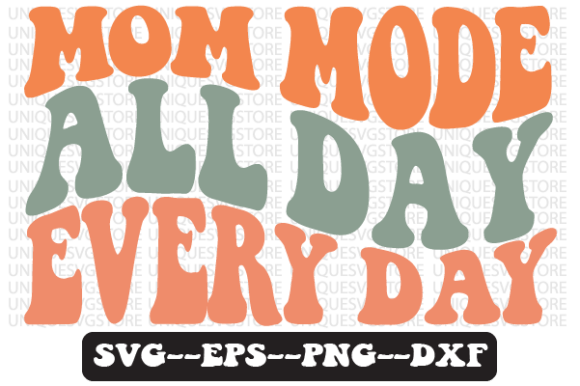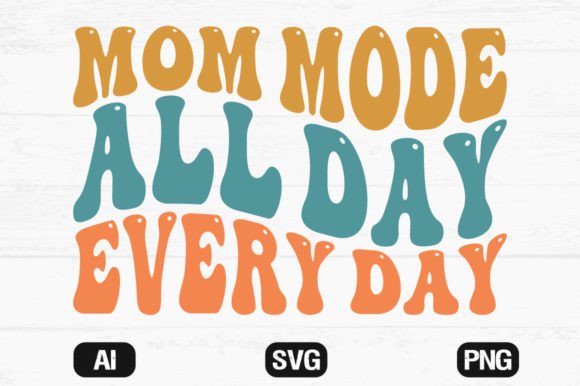
Mom Mode All Day Every Retro Wavy SVG: A Designer's Review
As a designer who spends more time staring at stitch maps than most people spend looking at their phones, I approach every new digital embroidery file with a healthy mix of excitement and skepticism. When I first pulled up the Mom Mode All Day Every Retro Wavy SVG, my immediate reaction wasn't just about the cute quote; it was about the flow. In the world of Crafts and Graphics, typography is king, but when you add those undulating retro waves, you introduce a whole new layer of complexity regarding stitch direction and fabric distortion. This isn't just a text file; it's a statement piece that demands careful handling to look professional on a finished product.
The Vibe Check: Retro Waves Meet Modern Motherhood
The aesthetic here is undeniable. We are tapping into that 70s-inspired, groovy typography trend that has taken over boutique shops and Etsy listings alike. The "wavy" element gives the text a sense of movement and playfulness that straight lines simply cannot achieve. For a handmade product aimed at moms, this mood is perfect. It feels relaxed, slightly humorous, and deeply relatable. However, from a technical standpoint, those curves are where the magic happens—and where things can go wrong if you aren't paying attention. The visual personality of this design screams "casual chic," making it an ideal candidate for custom apparel like oversized tees or slouchy sweatshirts, rather than stiff, formal wear.
Real-World Application: The Tote Bag Test
To truly evaluate this design, I envisioned a specific real-life scenario: creating a limited run of canvas tote bags for a local mom-and-pop coffee shop's Mother's Day promotion. The goal was a personalized gift feel that could also serve as small shop product inventory. I imagined stitching the Mom Mode All Day Every Retro Wavy SVG onto a natural cotton canvas. The challenge with wavy text on a tote bag is maintaining the integrity of the wave without the fabric pulling or the letters bunching up.
If executed correctly, the result is a high-value item that customers want to carry everywhere. The retro style adds a layer of perceived value; it doesn't look like a generic iron-on transfer. It looks like a custom embroidery project designed with intent. However, if the stitch density is too high for the canvas, the bag could pucker, ruining the smooth flow of the waves. This is why understanding the source file is critical before you ever thread your needle.
Performance Across Different Fabrics and Items
This design is versatile, but it is not universal. Here is how I see it performing across various mediums:
- Sweatshirt Embroidery: This is probably the strongest use case. The thickness of fleece or French terry provides enough stability to support the dense areas of the waves. The texture of the fabric complements the retro vibe perfectly.
- Baby Embroidery: For onesies or baby blankets, you must be cautious. The wavy nature means the design spans a wider horizontal area. You need to ensure your hoop size accommodates the full width without cropping the ends of the waves, which would break the visual rhythm.
- Embroidered Patch: Creating a patch allows you to control the backing completely. Using a heavy cut-away stabilizer here would ensure the waves remain crisp, making it a great add-on product for a craft business.
- Cap Embroidery: Proceed with extreme caution. Curved surfaces distort wavy text significantly. Unless you have advanced digitizing skills to adjust the pull compensation, this design might look warped on a structured cap.
Technical Considerations for the Serious Stitcher
When working with a machine embroidery design that relies heavily on typography and shape, the devil is in the details. The Mom Mode All Day Every Retro Wavy SVG likely utilizes a combination of satin stitch for the outlines and perhaps a fill stitch for the body of the letters, depending on how it was digitized from the original vector.
You must consider thread colors carefully. A high-contrast thread on a dark fabric will make the waves pop, but it also highlights any imperfections in the stitch path. Conversely, a tonal thread choice (like cream on beige) offers a subtle, vintage look but requires flawless tension to ensure the text remains legible. Always test the design on scrap fabric first. Do not skip this step. Check how the running stitch underlays perform on stretchy fabrics versus woven ones.
Another critical factor is the fabric texture. Highly textured fabrics like waffle knit or bouclé can eat up the fine details of the smaller letters in "Mom Mode." If the text gets lost in the pile of the fabric, the message fails. For these materials, you might need to increase the stitch count or add a topping stabilizer to keep the surface smooth.
Maximizing Value and Professionalism
For Etsy sellers and creative entrepreneurs, the presentation of the finished product dictates the price point. A well-stitched version of this design elevates a simple t-shirt into a boutique item. It builds customer trust because it shows you care about current trends and technical execution. When a customer sees clean, unwavering lines and consistent stitch coverage, they perceive higher quality.
However, be mindful of where this design should be used carefully. Avoid using it on products that require frequent, harsh washing unless you are confident in your thread quality and stitch locking methods. Tiny lettering within the waves can fray over time if not secured properly. Also, avoid placing this on very thin, sheer fabrics where the backside stitching (the "ugly side") might show through and distract from the clean retro look.
Final Designer Notes and Best Practices
Before committing to a production run or listing this as a printable mockup or physical good, keep these practical tips in mind:
- Check Licensing: Since this originates as an SVG bundle, confirm the license terms. Can you sell the physical embroidered items? Can you sell the digitized embroidery file derived from it? Never assume; always verify to protect your craft business.
- Digitizing Verification: If you are converting the SVG to an embroidery file yourself, pay close attention to the connection points between the waves and the letters. Ensure there are no unnecessary jumps that could create loose threads.
- Mockup Testing: Create black and white mockups to check the contrast and readability without the distraction of color. If it doesn't read well in grayscale, it won't read well from a distance.
- Stabilizer Selection: Match your stabilizer to the fabric weight. For the wavy elements, a stable foundation is non-negotiable to prevent the text from looking "drunk" or uneven.
- Commercial Viability: Consider if this fits your brand consistency. If your shop specializes in delicate floral motifs, this bold retro type might feel out of place unless you are expanding your design assets intentionally.
In conclusion, the Mom Mode All Day Every Retro Wavy SVG is a potent tool for the modern maker. It bridges the gap between digital Graphics and tactile Crafts beautifully. With the right fabric, proper stabilization, and a keen eye for detail, it can become a bestseller in your holiday embroidery collection or a staple in your everyday custom apparel offerings. Just remember: the wave is only as good as the stitch that holds it together.